
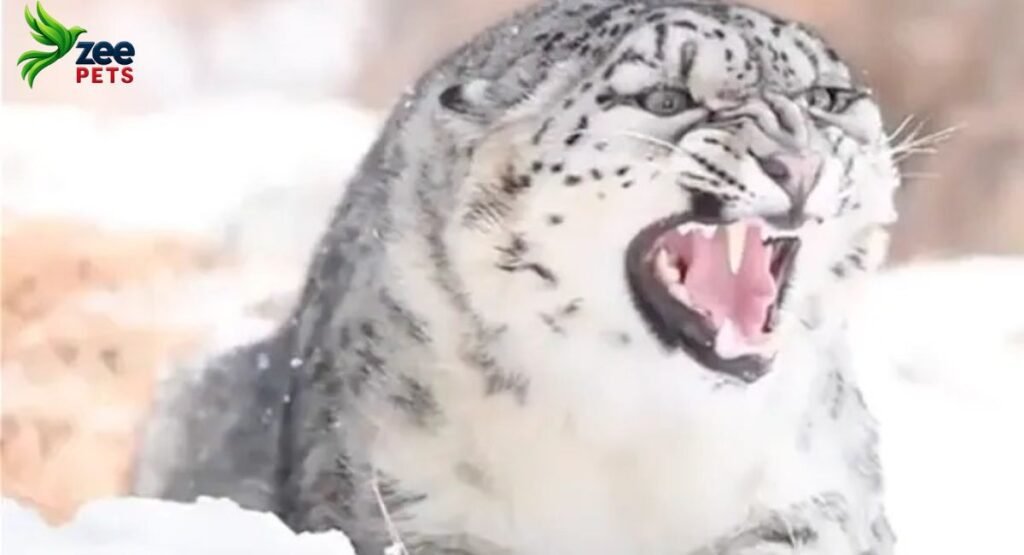

You get the feeling that snow leopards are almost too good to be true. Even people who work with wildlife their whole lives talk about them like a mythical creature – something you just hear whispers about but never actually see with your own eyes. They live in a world that’s so quiet and so far removed from the rest of ours that they kind of exist as whispers.
They Call Home Some of the Most Inaccessible Mountains
Imagine the highest, coldest, loneliest mountains you can think of, then make them even harsher. That’s where snow leopards live. The Himalayas, the Pamirs, the Karakoram – these aren’t exactly the friendly postcard versions of mountains, are they? These are enormous, unforgiving stone giants with thin air, freezing winds and cliffs that even experienced climbers might think twice about tackling.
Because places like that are so remote and hard to get to, people really don’t venture up there unless they absolutely have to. In some valleys, you can go for years without seeing a single human footprint. It’s the perfect environment for an animal that likes to keep to itself. If you’re standing on a ledge just a stone’s throw from a snow leopard, you might not even notice it’s there – unless it decides to move.
Their Camouflage is Freakishly Good
A snow leopard’s coat blends in with the mountainside in a way that’s almost magical. The grey, the soft white, the smudgy patches – they match the rocks, snow and shadows perfectly. If you don’t blink, you’ll just slide right over it.
People talk about camouflage a lot, but if you see a snow leopard disappear into a cliff face, it’s something else entirely. Even a photo taken from just a few metres away can leave you squinting, trying to figure out where the cat is. You’ll spot the tail, then the ear, and then suddenly the whole cat will appear and you’ll be like “where was it all along?!”
And it’s even stranger because of the silence. Snow leopards don’t roar, their voices are almost gentle, and in a place where the wind is always whipping past rocks, that soft sound is just lost in the background.
They Don’t Live by Our Rules
Snow leopards tend to do their thing when the light is just right – early morning or late afternoon, when the shadows are long and the world is all dreamy and hazy. That’s the perfect time to just blend into the background.
During the day, they just chill in out of the way spots that a human would never think to look – behind a rock shelf, in a hidden cave or just stretched out on a bit of a ridge that matches the landscape. When you add that to their natural camouflage, it’s not just hard to spot them, it’s almost impossible.
Their Hunting Streak Keeps them Under the Radar
Unlike lions or leopards that just charge out after their prey with a lot of noise and bluster, snow leopards make hunting look like an art form. Their prey – blue sheep, ibex and other mountain critters – are all super vigilant. So the snow leopard just waits, watches, and blends into the background until the moment is right.
And then, when they see their chance, they pounce – but it’s all done very quietly and patiently. It’s a great way to catch prey, but terrible for anyone trying to spot them.
There aren’t Many of Them Left
Another reason snow leopards feel so elusive is just because their numbers are so low. Only a few thousand of them are still roaming free in the wild, and they all need to have a big territory to find enough food, so they’re pretty spread out.
You could trek through snow leopard territory for days and not even be close to one. Even camera traps – which are placed carefully where cats are likely to walk – sometimes sit for months without catching a single clear photo.
Their numbers are threatened by their habitats getting smaller, losing their prey and occasionally clashing with herders. All of that just makes them even rarer and harder to spot.
Even the Experts Rarely Get a Glimpse
A lot of researchers who have spent their whole careers studying snow leopards still talk about them like they’re a mystery that they’re still trying to crack. They study footprints in the snow, claw marks on rocks or just a bit of fur caught on a branch – small clues that suggest a leopard was there hours or days earlier.
Direct sightings are so rare that when they do happen, it’s a story people remember for a long time.
That Mysteriousness is What Makes them so Special
In a world where cameras are everywhere and information spreads fast, snow leopards are one of the very few creatures that still feel truly wild – untouched, unharmed and unseen.Maybe thats why people are so captivated by them. They serve as a harsh reminder that there are still corners of the natural world that just have to follow their own beat, untainted by the chaos of our mundane lives.
Snow leopards dont just live in the mountains – they own the place.