
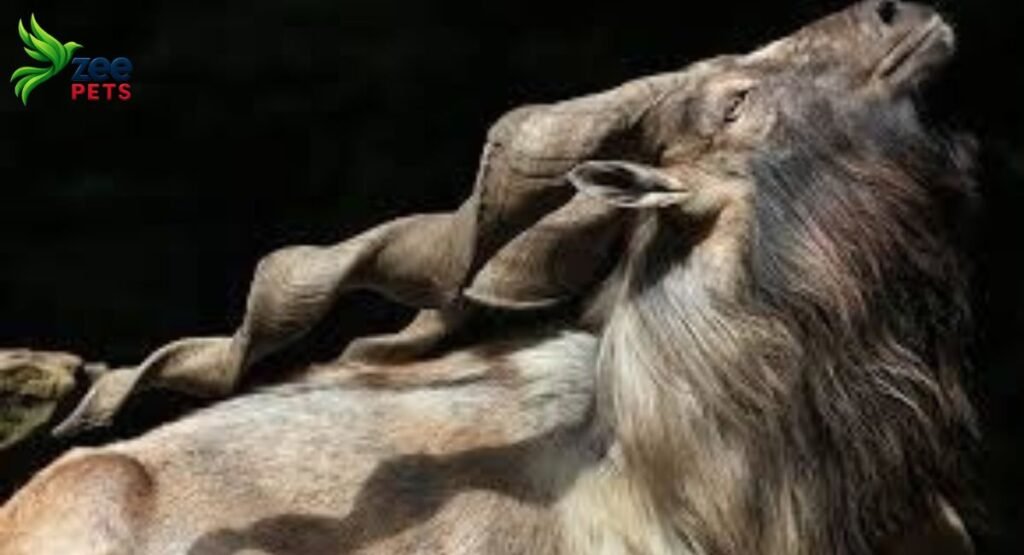

High on the rugged cliffs of northern Pakistan, Afghanistan, and Central Asia lives a creature so striking that it looks almost mythical. The markhor — with its spiraling horns, confident stance, and fearless climbing skills — is often called the king of the mountains. And once you understand how it survives in some of the world’s harshest landscapes, the title feels more than deserved.
A Mountain Climber With Unbelievable Skill
The markhor spends most of its life on steep, rocky slopes where even a small slip could be deadly. Yet it moves across these cliffs with the ease of a parkour athlete. Its hooves are specially shaped with hard edges and soft, grippy centers, allowing it to balance on ledges that are barely wider than a coin.
This ability doesn’t just help the markhor find food; it’s also its main shield against predators. Big cats like snow leopards or wolves will chase them, but once the markhor reaches the cliffs, its agility gives it a powerful advantage. One quick jump, a sharp turn on impossible terrain, and the predator is often left behind.
A Coat and Beard Fit for Royalty
Part of what makes the markhor so majestic is its appearance. Males grow long, flowing coats in winter, with a beard that hangs proudly from their chin. When the cold winds sweep through the mountains, this thick fur keeps their bodies warm, protecting them in temperatures that drop below freezing.
Their colors blend beautifully with rocky landscapes — shades of tan, gray, and brown — helping them stay hidden when needed. But the one thing that always stands out is the horns.
The Spiral Horns That Tell a Story
The markhor’s horns are its most iconic feature. Rising high above the head and twisting like carved wood, they can grow more than a meter long in older males. These horns aren’t just for show — they tell a story of age, strength, and dominance.
During the mating season, males use their horns in controlled but powerful battles. They push, twist, and lock horns to establish who earns the right to lead and reproduce. It’s not a fight of anger; it’s an ancient ritual carved into their behavior. The strongest, healthiest male usually wins, ensuring that only the best traits are passed to the next generation.
A Diet That Changes With the Seasons
Surviving in mountainous regions means learning to live with constant change. Markhors adapt by eating whatever the season offers. In summer, they graze on grass and fresh leaves. When winter cuts off the greenery, they switch to shrubs, shoots, and even tough, dry plants that few other animals can digest.
This flexible diet is one of the reasons they’ve managed to thrive in remote, unforgiving areas where food is often unpredictable.
Families That Stick Together
Markhors may look tough and solitary, but they are surprisingly social. Females and their young form small groups, traveling together for safety and warmth. They communicate with soft grunts, body movements, and gentle nudges, especially when guiding their young across dangerous slopes.
Males usually stay alone or in small bachelor groups outside the mating season. But once winter approaches and the rut begins, the mountains echo with the presence of competing males — each trying to win a place in the herd.
Why the Markhor Is a Symbol of Strength
In Pakistan, the markhor is more than a wild mountain goat — it’s a national symbol. Its ability to stand strong against challenges and survive in extreme conditions reflects resilience, determination, and pride.
The markhor’s presence also signals a healthy ecosystem. If markhors are thriving, it means the mountain environment is stable enough to support plants, predators, and other wildlife. In a way, they’re guardians of the high peaks.
The Threats They Continue to Face
Despite their strength and adaptability, markhors have faced serious threats over the years. Habitat loss, competition with livestock, and illegal hunting once pushed their population dangerously low. Thankfully, conservation efforts — especially community-led programs — have helped their numbers rise again.
Local communities now play a major role in protecting markhors. By preserving habitats and controlling hunting, they’ve created a safer future for these animals. In many areas, markhor populations are slowly climbing back, much like they climb their mountain homes.
A True King of the Peaks
Everything about the markhor — from its graceful movements to its striking horns — reflects the beauty and toughness of the mountains it calls home. It doesn’t roar or dominate with power, but rules in a quiet, confident way that’s earned it respect for generations.
The next time you see a photo of a markhor standing tall on a cliff edge, remember that you’re looking at more than just an animal. You’re seeing a survivor, a symbol, and a true king of the high peaks — one that carries the spirit of the mountains in every step.