
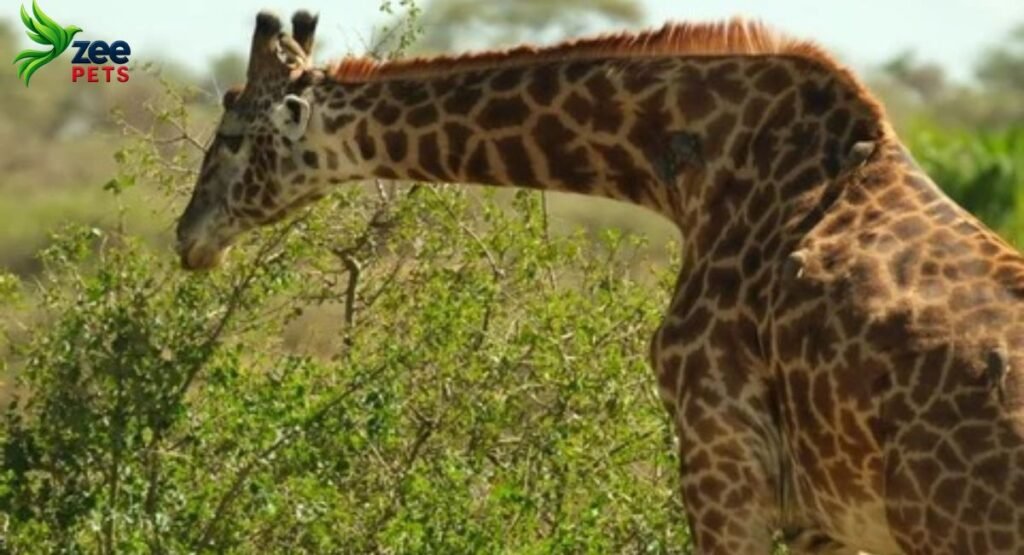

When most people think about giraffes, the first thing that comes to mind is their incredible height. Their long necks make them look almost other-worldly, stretching high above the savanna as they nibble leaves from the tallest branches. But the truth is, giraffes don’t have long necks only to reach food. Their necks play a much bigger role in their daily lives — from communication to survival to social behavior — and the more you learn about them, the more impressive they become.
A Neck Built for Reaching What Others Can’t
Yes, eating leaves is the most obvious reason giraffes benefit from long necks, and it’s definitely important. Tall trees like acacias hold fresh greenery far above the height of most herbivores. While other animals spend energy searching for shorter plants or fighting one another for ground-level food, giraffes simply stretch upward and browse peacefully. This gives them access to a food source that’s almost always available, even during dry seasons.
But if long necks were only for feeding, giraffes would be interesting — not extraordinary. Their necks have evolved into multi-purpose tools that help them survive in ways that aren’t immediately obvious.
A High Vantage Point for Spotting Danger
The African savanna is beautiful, but it’s also full of predators like lions and hyenas — animals that would gladly take advantage of an unaware grazer. Giraffes, thanks to their height, almost always know what’s happening around them. Their eyes sit high above the grass, giving them a view that stretches far across the landscape.
This elevated perspective is like having a built-in watchtower. When a giraffe sees something suspicious — a moving shadow, a sudden rustle in tall grass — its alert posture often warns other animals too. In a way, giraffes become silent guardians of the plains. Even species like zebras and antelopes pay attention to giraffes’ reactions, because if a giraffe suddenly lifts its head or stares intensely, something might be lurking nearby.
Necking: A Powerful Tool in Social Battles
One of the most surprising uses for a giraffe’s neck has nothing to do with feeding or watching predators. Male giraffes often compete with each other in contests called “necking.” This isn’t gentle or playful — it’s serious business. Two males stand side by side and swing their necks like heavy hammers, striking each other with strong blows of their heads.
The longer and heavier the neck, the more powerful the strike. These battles determine dominance, and the winner earns access to females during mating season. Although the fights look intense, giraffes rarely injure each other badly. They’ve adapted to withstand the force, and for them, this is simply a part of establishing rank.
A Communication Tool That Looks Silent
Giraffes aren’t very vocal animals. They don’t roar or howl or call out the way many wild creatures do. Instead, they often communicate through posture and movement — and their necks are a big part of that subtle language.
A giraffe might raise its neck high to show alertness or confidence. It may bend its neck gracefully while interacting with another giraffe in a peaceful, friendly way. Mothers lower their long necks to groom or reassure their calves, creating moments of calm bonding.
Even the gentle brushing of necks between two giraffes can be a sign of closeness or trust. Their necks become part of the emotional side of their lives, something people don’t usually notice when watching them from afar.
Reaching Water Is a Challenge — But the Neck Helps Too
While giraffes use their necks to feed from tall trees, drinking water is a completely different challenge. Their legs are so long that lowering their heads to ground level is awkward and risky. To drink, a giraffe has to spread its front legs apart and bend forward in a way that makes it vulnerable to predators.
The long neck helps reduce this vulnerability. Even though the position looks uncomfortable, the neck lets giraffes reach the water more quickly and return to a standing, alert posture faster than animals built lower to the ground. It’s not perfect, but it’s nature’s compromise — tall enough to reach food, flexible enough to drink without spending too much time defenseless.
Cooling Down Under the Harsh Sun
The savanna can get extremely hot, and giraffes have a unique way of using their long necks and tall bodies to manage heat. Air flows easily around their height, helping them cool off. Their long necks act like natural radiators, allowing heat to disperse more quickly than if their bodies were shorter and bulkier.
This airflow advantage doesn’t get talked about much, but it plays a real role in helping giraffes survive long, dry seasons.
More Than Just a Long Stretch of Bone
Giraffes are often admired for their beauty and elegance, but their long necks tell a much more interesting story. They’re not just tools for reaching high leaves—they’re complex adaptations that help giraffes sense danger, communicate silently, compete for mates, and stay cool under a blazing sun.
Every time you see a giraffe standing tall on the plains, understand that its neck is doing far more than you might think. It’s one of nature’s most fascinating multipurpose designs, helping these gentle giants thrive in a world full of challenges.