
For decades, beauty products relied on animal testing to check safety — a practice that caused unnecessary suffering and raised deep ethical concerns. Today, the world is shifting toward something better. Thanks to scientific innovation and growing consumer awareness, cruelty-free beauty is no longer a trend but a global movement. Modern alternatives now give us safer, faster, and more accurate results than animal testing ever could. And the best part? No animals have to suffer for us to enjoy skincare, makeup, or personal-care products.
Why the Beauty World Is Moving Away from Animal Testing
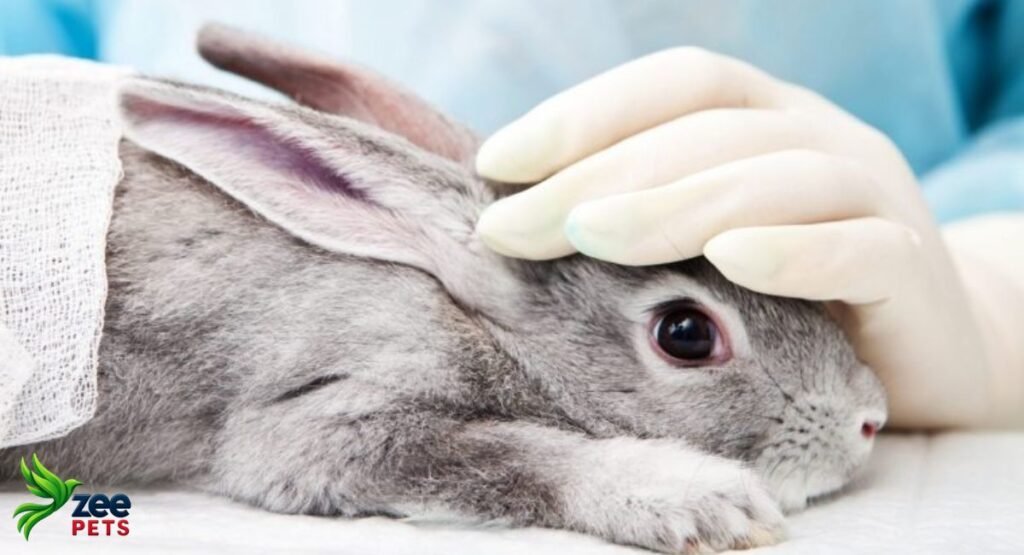
Animal testing was once considered the standard because there weren’t many other ways to study how products might affect human skin. But over time, scientists and consumers learned that humans and animals respond very differently to the same substances. A test on a rabbit’s eye or a mouse’s skin isn’t always a reliable indicator of how a person will react.
With better options available, there’s simply no reason to rely on painful, outdated methods. Modern alternatives offer a combination of accuracy, speed, and compassion that makes cruelty-free beauty the smarter choice for everyone.
Lab-Grown Human Skin Models Are Changing the Game
One of the biggest breakthroughs in modern cosmetic testing is the creation of lab-grown human skin. Don’t worry — this isn’t as strange as it sounds. Scientists can now grow tiny layers of human skin cells using tissue donated from medical procedures. These samples act just like natural human skin, allowing researchers to test irritation, absorption, sensitivity, and effectiveness without harming any living being.
The accuracy is far superior to animal testing because the models respond the same way real human skin would. Today, many leading skincare companies rely on these advanced methods to design products that are both safe and effective.
Computer Simulations Predict Reactions in Minutes
Another incredible alternative is computational modeling — powerful software that predicts how ingredients will behave on human skin. By analyzing chemical structures and comparing them with huge safety databases, these programs can identify potential risks without performing physical tests.
These simulations can spot irritants, allergens, and harmful reactions faster than a lab test. Companies can evaluate hundreds of ingredients in a short time, speeding up product development while staying cruelty-free.
Human Volunteers Help Create Safer, Gentler Products
Of course, nothing replaces real human feedback. Once a product passes early safety checks, companies often use patch testing on willing human volunteers. These tests involve applying a tiny sample to the arm or back to check for mild irritation. Because the product is already screened through high-tech systems, volunteers are never exposed to harmful substances.
This step ensures that products reach the market with confidence and transparency, relying on ethically responsible methods instead of animals.
Natural and Clean Ingredients Reduce the Need for Harsh Testing
As more brands embrace cruelty-free values, many are also turning toward gentler, plant-based ingredients. Natural extracts, essential oils, and safe synthetic options reduce the need for extreme testing in the first place. When ingredients have long histories of human use, companies don’t have to rely on outdated animal trials.
This shift toward cleaner formulas not only protects animals but often creates products that are kinder to your skin.
Regulations Around the World Are Changing
Many countries have taken strong steps to ban or limit animal testing. The European Union, India, Australia, and several other nations now restrict or prohibit animal-tested cosmetics. This has pushed companies to adopt modern testing methods and adapt to cruelty-free standards.
While not every country has made the shift yet, the global momentum is clear — consumers want safe products without cruelty, and industries are responding.
Cruelty-Free Doesn’t Mean Lower Quality
A common misconception is that cruelty-free products are somehow less effective or less safe. The truth is the opposite. Modern alternatives offer precise, human-focused results that animal tests could never provide. Many of today’s best-performing beauty brands proudly produce cruelty-free products without sacrificing performance.
In fact, some of the most innovative skincare breakthroughs — like advanced serums, lightweight moisturizers, and gentle cleansers — were developed using modern, animal-free science.
How to Identify Genuine Cruelty-Free Brands
With so many products on the shelves, it helps to know what to look for. Trusted cruelty-free certifications include:
- Leaping Bunny
- PETA Cruelty-Free
- Choose Cruelty-Free (CCF)
These labels mean the product — and often the entire brand — avoids testing on animals at every stage of development.
If you’re someone who wants to support kinder beauty, these logos are your best guide.
The Future of Beauty Is Kind, Smart, and Ethical
Cruelty-free beauty is more than a label; it’s a promise. It reflects a world where science and compassion work together. Thanks to advanced testing methods, safer ingredients, and global awareness, the industry is finally moving toward a future where no animal suffers for human vanity.
Every time someone chooses a cruelty-free product, they help push the beauty world in the right direction — one where innovation thrives and kindness leads the way.