
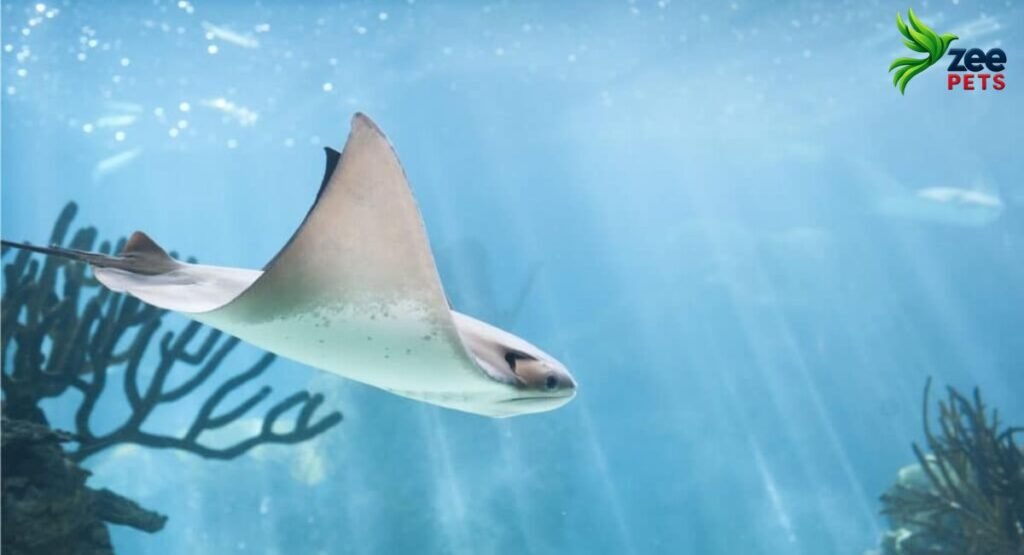

Stingrays glide through the ocean with a calm, almost magical elegance. Their smooth bodies, gentle movements, and curious eyes make them one of the most captivating creatures underwater. Most people know about their flat shape and long tail, but stingrays have far more secrets hidden beneath the surface. Here are ten surprising facts that reveal just how remarkable these ocean animals really are.
They’re Close Relatives of Sharks
It’s hard to believe at first, but stingrays and sharks belong to the same family tree. Both are cartilaginous fish, meaning their skeletons are made of flexible cartilage instead of hard bone. This gives them incredible mobility in the water. While sharks show their power through speed and strength, stingrays use their flexible bodies to glide in silence.
Their Shape Helps Them “Fly” Underwater
The wing-like fins of a stingray aren’t just for show — they actually help the animal move in a graceful, flying motion. With each slow flap, the stingray pushes itself forward, conserving energy and slipping almost invisibly across the ocean floor. Some species flap like birds, while others wiggle their bodies like waves.
Their Eyes and Mouth Are on Opposite Sides
Stingrays look unusual because their eyes sit on top of their body, while their mouth, gills, and nostrils are on the underside. This design helps them stay hidden while still watching for danger. They bury themselves in the sand, leaving only their eyes exposed, and wait for food to pass by below.
They Sense Hidden Prey Using Electricity
Stingrays have an incredible ability called electroreception. Tiny pores near their mouth detect weak electrical signals given off by living creatures. Even if a shrimp or crab is buried deep in the sand, a stingray can find it with surprising accuracy. It’s a built-in hunting system nature perfected over millions of years.
Their Stinger Is Only Used for Defense
Despite their name, stingrays aren’t aggressive animals. The stinger at the end of their tail is a last-resort weapon. They never hunt with it. Instead, they use it only when frightened or stepped on. The stinger is sharp and can contain venom, which is why people are taught to shuffle their feet when walking in shallow waters — it warns the stingray to move away.
Some Stingrays Can Grow Over 1,000 Pounds
While many stingray species are small and gentle, the giant freshwater stingray is a true heavyweight. Found in rivers of Southeast Asia, it can grow wider than a dining table and weigh more than 1,000 pounds. Despite its size, it’s surprisingly shy and prefers to avoid humans.
They Give Birth to Live Babies
Unlike most fish that lay eggs, stingrays give birth to live young. The babies are called “pups,” and they come out looking like tiny, perfect mini-rays. A mother stingray can have one to six pups at a time, and they are ready to swim and find food from the moment they’re born.
Their Skin Feels Like Fine Sandpaper
Stingray skin is covered with tiny, tooth-like structures that give it a rough, sandpapery feel. In ancient times, people used dried stingray skin to shape tools and polish wood. Today, it’s still admired for its texture and durability, though responsible wildlife protection discourages its use.
Manta Rays Are Stingrays Without a Stinger
Many people don’t realize that manta rays — the gentle giants of the ocean — are also part of the stingray family. The key difference? They don’t have a venomous stinger. Mantas can grow incredibly large and often swim in open water near the surface, feeding on tiny plankton with their wide, graceful mouths.
Stingrays Are Surprisingly Intelligent
Stingrays are not simple creatures. They can learn from experience, remember patterns, and solve basic problems. Some scientists believe they can even recognize specific humans who feed or interact with them. Their curiosity makes them a favorite in aquariums, where they often glide up to visitors as if saying hello.
A World Full of Grace and Mystery
Stingrays are gentle, adaptable, and much smarter than people once believed. Whether they’re gliding across the sandy seafloor or soaring through open water like underwater birds, they bring calm beauty to the ocean world. The more we learn about them, the more their quiet brilliance stands out.